Understanding Knox Unflavored Gelatin
Knox Unflavored Gelatin is a versatile kitchen staple, derived from collagen, offering a tasteless base for countless culinary creations and innovative applications.
What is Knox Unflavored Gelatin?
Knox Unflavored Gelatin is a pure form of gelatin, meticulously crafted from collagen sourced from animal bones and connective tissues – typically pork or beef. Unlike pre-flavored Jell-O, it presents itself as a colorless, odorless powder, offering a blank canvas for culinary creativity. This versatility is its defining characteristic, allowing cooks and creators to control both the flavor and texture of their final product.
Essentially, it’s a protein product that, when combined with liquid and subjected to cooling, undergoes a remarkable transformation, solidifying into a familiar, jiggly consistency. This unique property makes it invaluable not only in desserts like classic Jell-O but also as a thickening agent in sauces, mousses, and even marshmallows. Beyond the kitchen, its applications extend into special effects, where it’s used to simulate realistic wounds and textures.
Gelatin Types: Powdered vs. Sheet
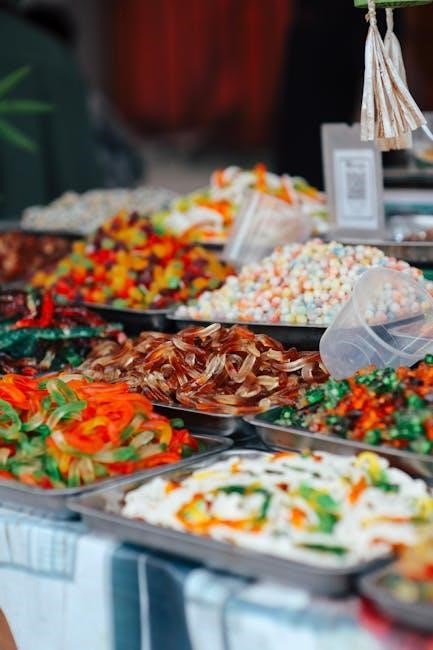
Gelatin primarily comes in two forms: powdered and sheet (also known as leaf gelatin). Knox Unflavored Gelatin is the powdered variety, widely accessible and convenient for home cooks. Powdered gelatin requires “blooming” – a pre-hydration step – before dissolving, ensuring even distribution and preventing clumps. This involves sprinkling the powder over cold liquid and letting it sit for a few minutes.
Sheet gelatin, favored by many professional chefs, is made from concentrated gelatin solutions that are dried into thin, transparent sheets. It offers precise measurement and dissolves more readily in warm liquids, bypassing the blooming stage. However, it can be less forgiving if not handled correctly, becoming brittle and difficult to work with if exposed to air for too long. While both achieve the same gelling effect, the choice often depends on preference and recipe requirements.
Basic Knox Gelatin Instructions
Successfully using Knox Gelatin involves understanding the correct liquid ratios, the blooming process, and ensuring complete dissolution for optimal setting and texture in your recipes.
Gelatin to Liquid Ratio
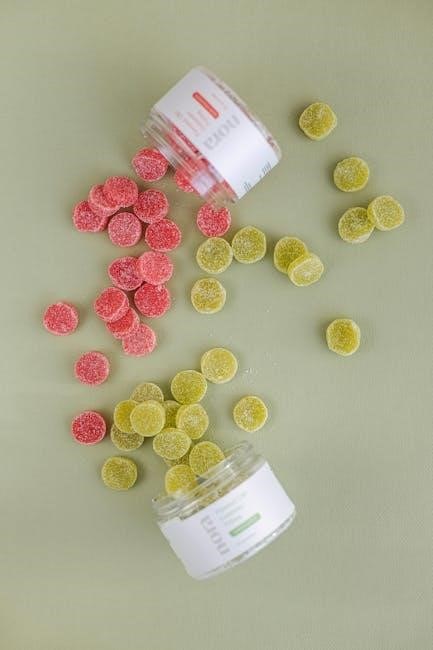
Achieving the perfect set with Knox Unflavored Gelatin hinges on understanding the proper ratio of gelatin to liquid. Generally, one envelope (approximately 1 tablespoon or 7 grams) of Knox gelatin will set about 4 cups (32 ounces) of liquid. However, this can vary slightly depending on the liquid used.
For instance, fruit juices often require a bit more gelatin due to their natural acidity, potentially needing up to 1.5 envelopes per 4 cups. Conversely, liquids like pineapple or papaya juice contain enzymes that can prevent gelatin from setting, so these should be avoided or the juice must be boiled first to deactivate the enzymes.
It’s crucial to remember that this ratio is a guideline; adjustments may be necessary based on desired firmness. For a softer set, slightly reduce the gelatin, while a firmer set requires a touch more. Precise measurement is key to consistent results!
Blooming the Gelatin
“Blooming” gelatin is a vital step for ensuring a smooth, lump-free final product. This process involves sprinkling the granular gelatin over cold liquid – typically water, juice, or even a portion of the total liquid in your recipe – and allowing it to sit undisturbed for approximately 5-10 minutes.
During this time, the gelatin granules absorb the liquid, becoming softened and hydrated. This prevents clumping when you introduce the mixture to hot liquid. The mixture will appear wrinkled and somewhat solid; this is the desired effect!
Don’t skip this step! Blooming ensures even distribution and proper dissolving. Using cold liquid is essential; warm or hot liquid will prematurely dissolve the gelatin, defeating the purpose of blooming. A properly bloomed gelatin will integrate seamlessly into your recipe, guaranteeing a perfect texture.
Dissolving the Gelatin
Dissolving bloomed gelatin requires gentle heat. Avoid boiling, as excessive heat can break down the gelatin’s setting ability. The most effective method is to heat the liquid called for in your recipe – water, juice, or stock – until it’s warm, but not simmering.
Add the bloomed gelatin to the warm liquid and stir continuously until completely dissolved. Ensure no granules remain visible; a clear, homogenous mixture is the goal. Microwaving in short bursts (10-15 seconds) with stirring in between can also work, but requires careful monitoring.
Never dissolve gelatin directly in boiling liquid, as this can cause it to clump. Once dissolved, the gelatin solution is ready to be combined with other ingredients; Remember, proper dissolving is crucial for achieving the desired texture in your final dish.
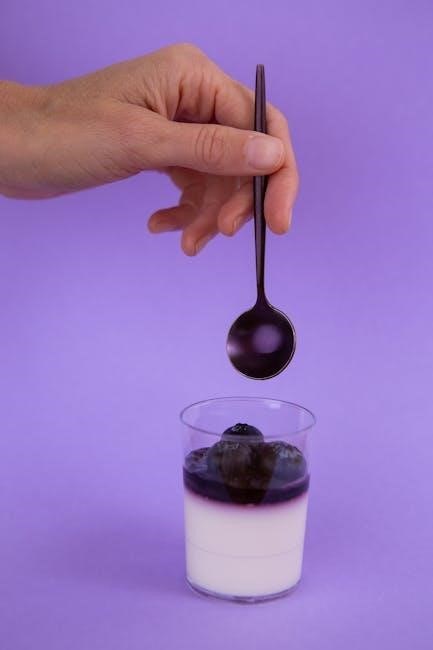
Recipes & Applications
Knox gelatin’s neutral flavor makes it ideal for desserts like Jell-O, fruit infusions, and as a thickening agent in sauces, mousses, and even creative culinary projects.
Classic Jell-O Recipe
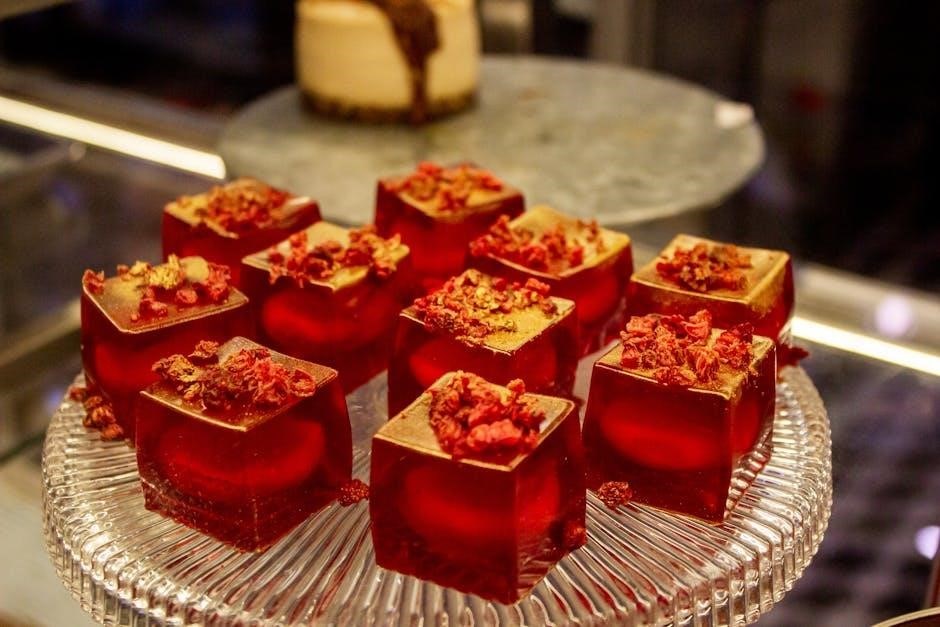
Rediscovering childhood favorites is a delightful experience, and making Jell-O from scratch with Knox gelatin is surprisingly simple! Many find the homemade version far superior to pre-made cups, offering a fresher, more authentic taste. To begin, dissolve 1 package (approximately 0.25 ounces) of Knox Unflavored Gelatin in ½ cup of cold water. Let it “bloom” for about 5 minutes – this softens the gelatin granules.
Next, add 1 ½ cups of boiling water and stir until the gelatin is completely dissolved. Then, stir in 1 cup of cold water and your choice of flavored juice or liquid (like fruit juice or sweetened beverage). Pour the mixture into a mold or individual serving dishes. Refrigerate for at least 4 hours, or preferably overnight, to allow the Jell-O to fully set. This classic recipe provides a nostalgic treat and showcases the versatility of Knox gelatin!
Fruit-Infused Gelatin Desserts
Elevate your gelatin creations with the vibrant flavors of fresh fruit! The beauty of Knox Unflavored Gelatin lies in its adaptability – it’s a blank canvas for showcasing seasonal produce. Begin by preparing the gelatin base as outlined in the classic Jell-O recipe: bloom the gelatin in cold water, dissolve in boiling water, and add cold water.
Before refrigeration, gently fold in your chosen fruits. Berries, sliced peaches, mandarin oranges, or even diced mango work wonderfully. For a layered effect, partially set a layer of gelatin, add fruit, and then pour over another layer. Ensure the fruit doesn’t contain enzymes (like pineapple) that prevent setting, or cook the fruit briefly first. Refrigerate until firm, and enjoy a refreshing, visually appealing dessert that’s both healthy and delicious!
Gelatin as a Thickening Agent
Beyond desserts, Knox Unflavored Gelatin is a remarkable thickening agent for sauces, glazes, and even savory dishes. Its neutral flavor profile ensures it won’t alter the intended taste of your recipe. To utilize gelatin for thickening, begin by blooming it in cold liquid – this prevents clumping.
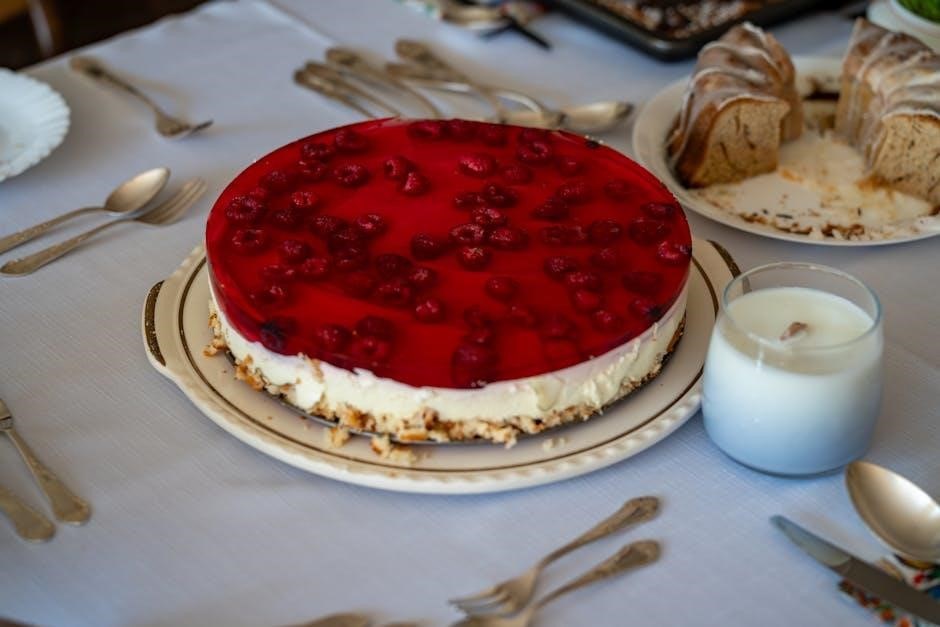
Then, gently heat the liquid and dissolve the bloomed gelatin, stirring continuously. The amount of gelatin needed depends on the desired thickness; a little goes a long way! Incorporate the gelatin mixture into your sauce or glaze, ensuring it’s evenly distributed. Gelatin adds a beautiful sheen and smooth texture, perfect for fruit tarts, cheesecakes, or enriching soups and gravies. Remember to avoid boiling after adding gelatin, as excessive heat can diminish its thickening power.
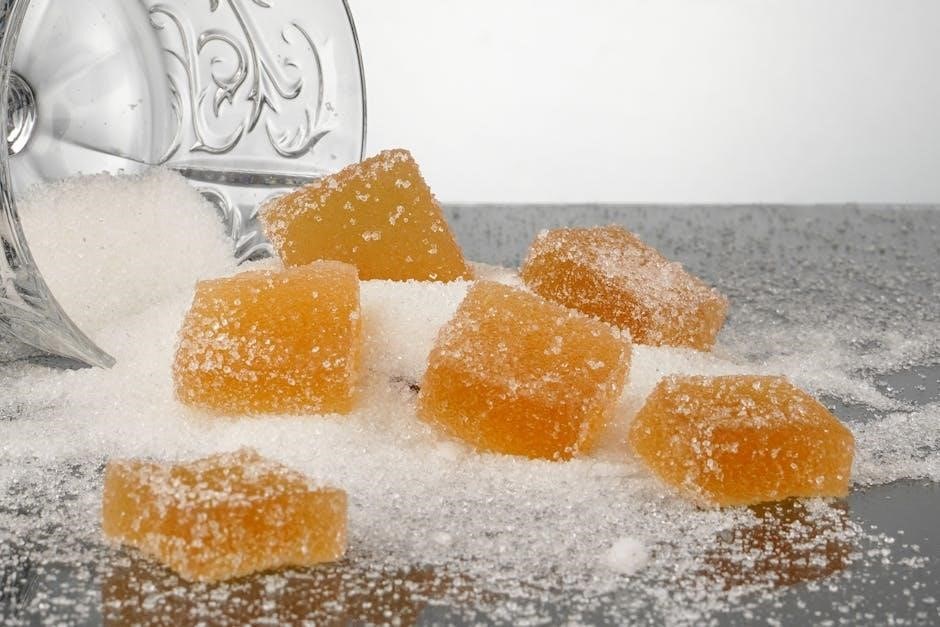
Special Effects Uses
Knox gelatin, combined with glycerin and liquid foundation, creates a rudimentary special effects gel for simulating wounds like burns, cuts, and scars effectively.
Creating Fake Wounds with Gelatin
Utilizing Knox gelatin for special effects allows for remarkably realistic fake wound creation. Begin by dissolving gelatin in water, then incorporate glycerin to enhance stability and a more pliable texture. Adding liquid foundation matching the desired skin tone blends the effect seamlessly.
Carefully apply the warm, liquid gelatin mixture to the skin, molding it to resemble cuts, burns, or abrasions. Remember, the gelatin must be warm enough to work with, but not so hot as to cause actual burns! Layering can build depth and dimension.
Consider adding colorants – reds, browns, and even blacks – to mimic bruising or coagulated blood. However, be mindful of skin sensitivity and use cosmetic-grade pigments. This homemade gelatin mixture, while effective, isn’t incredibly durable and is susceptible to heat and moisture, so plan accordingly for your application.
Safety Precautions for Special Effects Gelatin
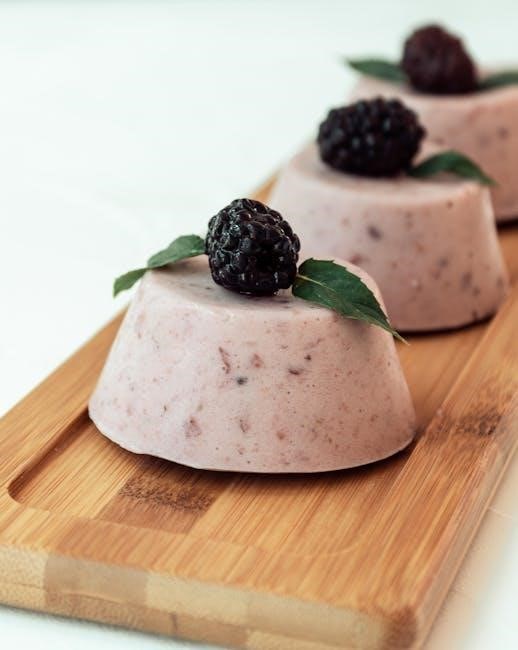
When crafting special effects with Knox gelatin, prioritizing safety is paramount. The mixture, when applied, is warm – potentially hot – and can cause burns if the temperature isn’t carefully monitored. Always test a small area of skin first to ensure it’s comfortable before widespread application.
Be aware that this homemade gelatin isn’t a long-lasting material. Heat and sweat will reliquefy it, and the effect will degrade over time. Avoid prolonged exposure to warm environments or strenuous activity.
Furthermore, ensure all ingredients – glycerin, foundation, and colorants – are cosmetic-grade and safe for skin contact. Avoid using anything that could cause an allergic reaction. Never apply gelatin near the eyes or inside the mouth. Proper ventilation is also recommended during application, and remove the gelatin gently with warm water when finished;
Gelatin & Health
Gelatin differs from hydrolyzed collagen in absorption rates; about 40% is absorbed as peptides, taking longer to digest, impacting collagen production stimulation.
Collagen & Gelatin: Differences Explained
While often used interchangeably, collagen and gelatin aren’t quite the same. Collagen is the primary structural protein found in the connective tissues of animals – skin, bones, and ligaments. It’s a large, complex molecule. Gelatin, however, is derived from collagen through a process of hydrolysis, essentially breaking down the collagen into smaller peptides.
This breakdown is what makes gelatin soluble in hot water, allowing it to gel. The key difference lies in molecular size and digestibility. Only around 40% of gelatin is absorbed in peptide form, and this process takes longer compared to hydrolyzed collagen. Hydrolyzed collagen is essentially “pre-digested,” meaning it’s already broken down into smaller pieces for easier absorption.
Marine collagen, often preferred, boasts an even smaller molecular size than bovine collagen and a superior amino acid profile. Therefore, while gelatin is beneficial, hydrolyzed collagen or marine collagen may offer more readily available building blocks for the body’s collagen production.
Gelatin Digestion & Absorption
The digestion of gelatin is a fascinating process. Because gelatin is composed of collagen peptides, the body must further break it down into its constituent amino acids before absorption can occur. This digestion primarily happens in the small intestine, utilizing enzymes to cleave the peptide bonds.
However, the absorption rate isn’t as efficient as with hydrolyzed collagen. Approximately 40% of ingested gelatin is absorbed as peptides, while the remaining portion continues through the digestive system. The slower digestion means the body doesn’t experience the same rapid spike in blood plasma levels of amino acids compared to hydrolyzed forms.
These peaks are theorized to provide a stronger stimulus for the body’s own collagen synthesis. Consequently, while gelatin offers valuable amino acids, maximizing collagen production might require larger quantities or opting for pre-digested hydrolyzed collagen for quicker absorption.
Benefits of Gelatin Consumption
Gelatin, derived from collagen, offers a range of potential health benefits due to its unique amino acid profile. It’s particularly rich in glycine and proline, crucial components for connective tissue health, potentially supporting joint function and reducing joint pain over time with consistent intake.
Furthermore, gelatin may contribute to improved skin elasticity and hydration, as collagen is a primary structural protein in the skin. Some studies suggest it can also aid in gut health by protecting and soothing the mucosal lining, potentially alleviating digestive discomfort.
While not a complete protein, gelatin provides essential amino acids. However, it’s important to note that the benefits are often more pronounced with hydrolyzed collagen, which is more readily absorbed. Nevertheless, incorporating gelatin into your diet can be a beneficial addition to a healthy lifestyle.
Troubleshooting
Common issues include gelatin failing to set or appearing grainy; ensure proper blooming and complete dissolution, adjusting liquid ratios for optimal results every time.
Gelatin Not Setting
If your Knox gelatin mixture refuses to set, several factors could be at play. First, verify you used the correct gelatin-to-liquid ratio; too much liquid inhibits proper gelling. Secondly, ensure the gelatin was adequately “bloomed” – allowing it to sit in cold liquid for the recommended time before heating.
Insufficient heating is another common culprit. The gelatin must be fully dissolved, meaning no granules remain visible. However, avoid boiling, as excessive heat can diminish its gelling power. Also, certain fresh fruits contain enzymes (like pineapple, kiwi, and papaya) that break down gelatin; these fruits need to be cooked before adding to the mixture.
Finally, temperature plays a crucial role. Gelatin requires sufficient chilling time – typically at least four hours – to fully set. A warm environment can hinder the process, so ensure proper refrigeration. If problems persist, consider adding a small amount of additional bloomed gelatin to the mixture.
Dealing with Grainy Gelatin
A grainy texture in your Knox gelatin dessert is often a sign of incomplete dissolution or recrystallization. To prevent this, ensure the gelatin granules are thoroughly dissolved during the heating process. Stir constantly while heating, but avoid vigorous boiling, which can contribute to graininess.
If graininess occurs despite your best efforts, a simple fix often works. Gently reheat the mixture over low heat, stirring continuously until the granules disappear. Avoid overheating, as this can worsen the problem. You can also try straining the liquid through a fine-mesh sieve to remove any undissolved particles.
Another potential cause is using hard water; softened or distilled water can yield a smoother texture. Finally, remember that rapid cooling can sometimes promote recrystallization, so allow the mixture to cool gradually before refrigerating.
Related Posts

infiniti pro conair instructions
Infiniti Pro Conair Instructions: A Comprehensive Guide Conair recalls roughly…

aroma professional rice cooker instruction manual
Aroma Professional rice cookers simplify meal preparation, offering versatile functionality…

chamberlain c2202 installation instructions
Chamberlain C2202 Installation Overview Chamberlain’s C2202 chain drive garage door…