The NYC Stormwater Manual is a vital procedural and technical guide, informing owners, developers, and applicants about effective stormwater management practices within New York City.
Purpose and Scope of the Manual
The primary purpose of the NYC Stormwater Manual is to establish consistent, citywide standards for managing stormwater runoff. It details how to comply with regulations and protect the health of local waterways. The manual’s scope encompasses all new development and redevelopment projects exceeding a specified threshold, requiring comprehensive stormwater management plans.
It provides procedural and technical guidance, ensuring projects minimize pollutant discharge and reduce combined sewer overflows. The manual addresses site planning, design considerations, and the implementation of Best Management Practices (BMPs). Ultimately, it aims to improve water quality, mitigate flooding risks, and enhance the overall environmental sustainability of New York City through effective stormwater control strategies.
Target Audience: Developers, Designers, and Applicants
The NYC Stormwater Manual is specifically tailored for developers undertaking new construction or redevelopment projects, guiding them through the necessary stormwater management requirements. Designers, including engineers and landscape architects, will find detailed technical specifications and design guidance for implementing effective Best Management Practices (BMPs).
Furthermore, applicants submitting projects for review will utilize the manual to understand the city’s expectations and ensure compliance with local and state regulations. The manual serves as a crucial resource for navigating the permitting process and demonstrating responsible stormwater management. It empowers these professionals to create sustainable and environmentally sound projects throughout New York City.
Understanding Stormwater Management in NYC
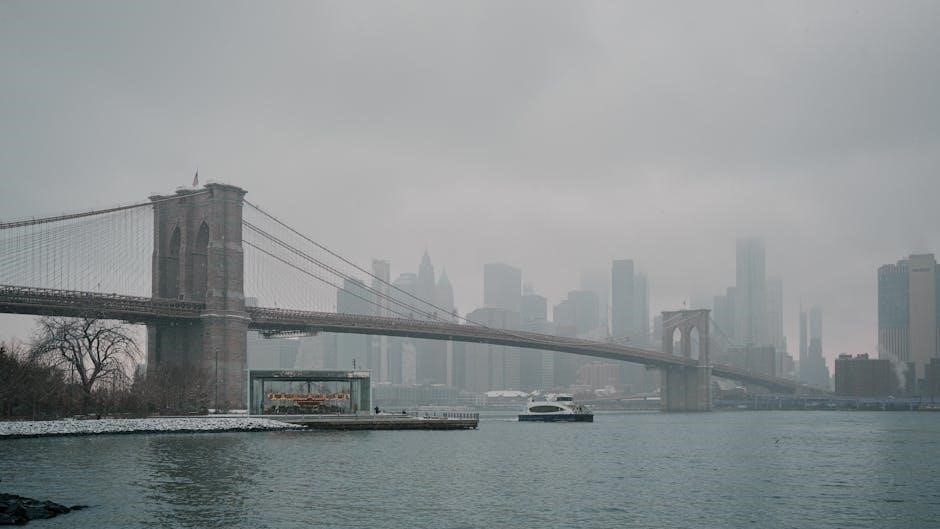
New York City’s approach to stormwater management involves navigating a complex system of combined sewers, prioritizing green infrastructure, and addressing runoff challenges;
The Combined Sewer System: Challenges and Limitations
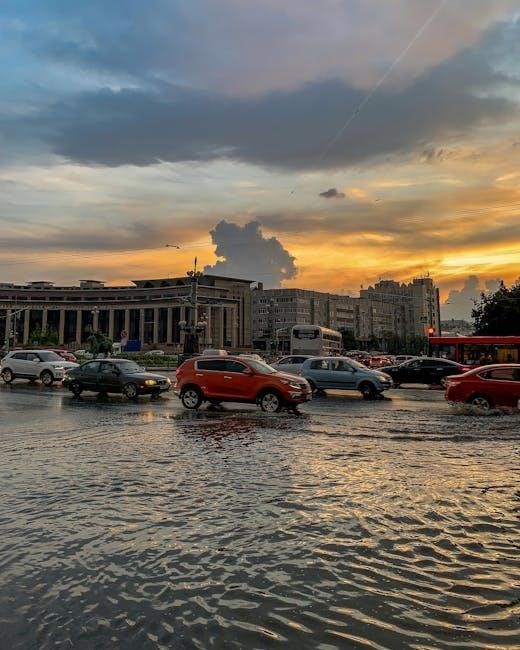
New York City largely relies on a combined sewer system, where stormwater and sanitary sewage are collected in the same pipes. While historically efficient, this system faces significant challenges during heavy rainfall events. When precipitation exceeds the system’s capacity, combined sewer overflows (CSOs) occur, discharging untreated wastewater into local waterways.
These CSOs negatively impact water quality, posing risks to aquatic ecosystems and recreational activities. The aging infrastructure also contributes to limitations, requiring substantial investment for upgrades and repairs. Separating stormwater and sanitary sewage is a long-term goal, but presents considerable logistical and financial hurdles. Therefore, effective stormwater management strategies are crucial to minimize CSOs and protect the city’s waterways.
Separating Stormwater and Sanitary Sewage
While complete separation of New York City’s combined sewer system is a monumental undertaking, it represents a long-term solution to reduce combined sewer overflows (CSOs). The process involves constructing entirely separate pipe networks – one for stormwater runoff and another for sanitary sewage. This minimizes the volume of wastewater needing treatment during wet weather events.
However, the city’s dense urban landscape and existing infrastructure pose significant challenges. Excavation is difficult and disruptive, and the cost is substantial. Incremental separation projects are underway in certain areas, alongside strategies to manage stormwater at its source. These include green infrastructure initiatives detailed in the NYC Stormwater Manual, aiming to reduce the overall flow entering the combined system.
The Role of Green Infrastructure
Green infrastructure plays a crucial role in New York City’s stormwater management strategy, as outlined in the NYC Stormwater Manual. Unlike traditional “grey” infrastructure (pipes and treatment plants), green infrastructure utilizes natural systems to manage rainfall closer to its source. This includes practices like green roofs, permeable pavements, rain gardens, and vegetated swales.
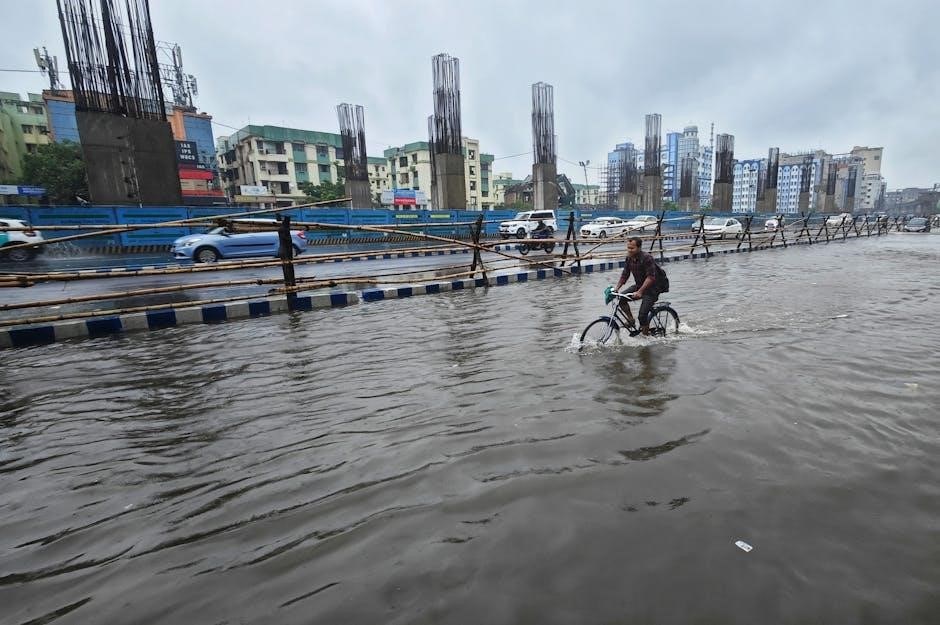
These approaches reduce runoff volume, improve water quality, and offer co-benefits like reduced urban heat island effect and enhanced aesthetics. The manual emphasizes integrating green infrastructure into site designs to minimize the burden on the combined sewer system. By mimicking natural hydrological processes, these solutions provide a sustainable and cost-effective way to manage stormwater and protect local waterways.

Key Components of the NYC Stormwater Manual
The manual’s core elements include Stormwater Pollution Prevention Plans (SWPPP), detailed site planning guidance, and a comprehensive overview of Best Management Practices (BMPs).
Stormwater Pollution Prevention Plans (SWPPP)
A cornerstone of the NYC Stormwater Manual is the requirement for a comprehensive Stormwater Pollution Prevention Plan, or SWPPP. This crucial document details the specific stormwater management measures implemented at a construction or development site.
The SWPPP outlines strategies to minimize erosion, sedimentation, and pollutant runoff during and after construction. It encompasses site-specific controls, including sediment and erosion control practices, spill prevention measures, and proper waste management protocols.
Developers and applicants must prepare and adhere to a SWPPP, demonstrating a commitment to protecting the city’s waterways. Regular inspections and updates are essential to ensure the plan’s effectiveness and compliance with regulatory requirements, safeguarding the environment.
Site Planning and Design Considerations
The NYC Stormwater Manual emphasizes proactive site planning and thoughtful design as fundamental to effective stormwater management. Prioritizing these elements minimizes the need for extensive post-construction controls. Careful consideration should be given to preserving natural drainage patterns and minimizing impervious surfaces.
Strategies include utilizing low-impact development (LID) techniques, maximizing green spaces, and strategically locating buildings to reduce runoff. Site grading should direct flows towards appropriate management practices.
Proper planning also involves assessing soil conditions and incorporating features that promote infiltration and reduce pollutant loads. These considerations are vital for creating sustainable and resilient developments that protect the city’s water resources.
Best Management Practices (BMPs) Overview
The NYC Stormwater Manual details a comprehensive suite of Best Management Practices (BMPs) designed to mitigate the impacts of stormwater runoff. These practices fall into several categories, including source controls, structural controls, and treatment practices.
Source controls, like minimizing impervious surfaces, aim to reduce runoff at its origin. Structural BMPs, such as green roofs and permeable pavements, manage runoff on-site. Treatment practices, including bioretention areas and vegetated swales, improve water quality before discharge.
The manual provides guidance on selecting appropriate BMPs based on site-specific conditions and regulatory requirements, ensuring effective and sustainable stormwater management throughout New York City.
Specific BMPs Detailed in the Manual
The NYC Stormwater Manual thoroughly examines Best Management Practices like green roofs, permeable pavements, rain gardens, and vegetated swales for effective runoff control.
Green Roofs: Design and Implementation
Green roofs, a key Best Management Practice detailed in the NYC Stormwater Manual, offer significant benefits for stormwater management. These vegetated rooftops reduce runoff volume and improve water quality by intercepting rainfall. Successful implementation requires careful consideration of several factors, including structural load capacity, waterproofing, drainage, and plant selection.
The manual provides guidance on various green roof systems – extensive, intensive, and semi-intensive – each suited to different building types and performance goals. Proper substrate composition is crucial for plant health and water retention. Detailed design specifications address irrigation needs, maintenance requirements, and long-term performance monitoring to ensure optimal functionality and contribute to a more sustainable urban environment.
Permeable Pavements: Types and Applications
The NYC Stormwater Manual highlights permeable pavements as a crucial Best Management Practice (BMP) for reducing runoff and recharging groundwater. These surfaces allow water to infiltrate directly through the pavement structure, minimizing strain on the city’s combined sewer system. Several types are detailed, including porous asphalt, permeable concrete, and interlocking pavers.
Applications range from parking lots and driveways to pedestrian walkways and low-traffic roadways. Successful implementation, as guided by the manual, requires a well-graded base course, proper installation techniques, and regular maintenance to prevent clogging. Considerations include subgrade soil conditions, anticipated traffic loads, and the potential for sediment buildup, ensuring long-term performance and contributing to improved stormwater control.
Rain Gardens and Bioretention Areas
The NYC Stormwater Manual extensively covers rain gardens and bioretention areas as effective Green Infrastructure solutions. These landscaped depressions utilize engineered soil mixes and vegetation to capture, filter, and infiltrate stormwater runoff. They mimic natural hydrological processes, reducing peak flows and improving water quality before discharge.
The manual details design specifications, including appropriate sizing based on contributing drainage areas, soil composition for optimal infiltration, and plant selection suited to local conditions and pollutant removal capabilities. Applications include residential landscapes, parking lot islands, and public spaces. Proper construction and ongoing maintenance, such as weeding and sediment removal, are vital for sustained performance and maximizing their stormwater management benefits.
Vegetated Swales and Filter Strips
The NYC Stormwater Manual highlights vegetated swales and filter strips as cost-effective Best Management Practices (BMPs) for stormwater control. These shallow, vegetated channels (swales) and gently sloping areas (filter strips) slow runoff velocity, promoting infiltration and filtering pollutants. They are particularly effective for treating sheet flow from impervious surfaces like roads and parking lots.
The manual provides guidance on design considerations, including longitudinal slopes, vegetation types (emphasizing native species), and soil amendments to enhance infiltration rates. Proper design prevents erosion and ensures efficient pollutant removal. Regular maintenance, such as mowing and sediment removal, is crucial for maintaining functionality. These practices contribute significantly to reducing stormwater volume and improving the overall health of local waterways.
Regulatory Framework and Compliance
NYC Stormwater Manual compliance involves navigating MS4 permits, NYSDOT regulations, and adhering to both local and state rules for effective stormwater control.
MS4 Permits and Requirements
MS4 (Municipal Separate Storm Sewer System) permits are central to NYC’s stormwater regulatory landscape. These permits, issued under the National Pollutant Discharge Elimination System (NPDES), establish requirements for managing stormwater runoff and improving water quality. As a regulated small MS4 in New York State, the NYSDOT is obligated to maintain a comprehensive Stormwater Management Program aligned with permit stipulations.
Compliance necessitates diligent implementation of Best Management Practices (BMPs), detailed in the NYC Stormwater Manual, alongside consistent monitoring and reporting. Permit holders must actively address pollutant discharge, prevent illicit connections, and construct/redevelop sites following stringent stormwater control measures. Meeting these requirements is crucial for protecting the city’s waterways and ensuring environmental sustainability.
NYSDOT Stormwater Management Program
The New York State Department of Transportation (NYSDOT) operates under a regulated small MS4 status, mandating a robust Stormwater Management Program. This program aligns directly with the requirements outlined in their NPDES permit, ensuring compliance with state and federal regulations concerning stormwater runoff. The NYC Stormwater Manual serves as a key resource, providing guidance for implementing effective BMPs.
NYSDOT’s program focuses on controlling pollutants from transportation infrastructure, preventing illicit discharges, and managing construction site runoff. Regular inspections, monitoring, and reporting are integral components. The program’s success relies on integrating stormwater considerations into all phases of project development and maintenance, ultimately contributing to the health of New York’s waterways.
Compliance with Local and State Regulations
Adhering to both local and state regulations is paramount when implementing stormwater management practices in New York City. The NYC Stormwater Manual is designed to facilitate this compliance, outlining requirements stemming from various governing bodies. These include mandates related to MS4 permits, ensuring responsible discharge into waterways, and preventing pollution.
Developers and applicants must navigate a complex framework, including guidelines from the NYSDOT and the NYC Department of Environmental Protection (DEP). Successful projects demonstrate a thorough understanding of these regulations, often evidenced by a comprehensive SWPPP. Proactive compliance minimizes risks and contributes to a sustainable urban environment.

Design Guidance and Technical Specifications
The NYC Stormwater Manual delivers crucial hydrologic and hydraulic analysis details, alongside soil testing protocols and vegetation selection guidance for effective stormwater solutions.
Hydrologic and Hydraulic Analysis
Hydrologic and hydraulic analysis forms a cornerstone of effective stormwater management, as detailed within the NYC Stormwater Manual. This crucial process accurately estimates rainfall runoff volumes and peak flow rates, essential for designing appropriately sized Best Management Practices (BMPs).
The manual emphasizes utilizing accepted methodologies, like the Rational Method or more complex models, to simulate the movement of water through a site. Accurate modeling considers factors like rainfall intensity, duration, and distribution, alongside site-specific characteristics such as slope, soil type, and land cover.
Furthermore, hydraulic analysis assesses the capacity of drainage systems – pipes, channels, and BMPs – to convey stormwater safely. Proper analysis ensures systems can handle anticipated flows without causing flooding or erosion, safeguarding both property and the environment. The manual provides guidance on selecting appropriate analytical tools and interpreting results.
Soil Testing and Infiltration Rates
The NYC Stormwater Manual underscores the critical importance of thorough soil testing to determine infiltration rates before implementing BMPs like rain gardens or permeable pavements. Accurate soil characterization is fundamental to predicting BMP performance and ensuring effective stormwater control.
Testing procedures, as outlined in the manual, typically involve field investigations like percolation tests and laboratory analysis of soil samples. These assessments identify soil texture, structure, and permeability, revealing how quickly water can penetrate the ground.
Understanding infiltration rates is vital for sizing BMPs correctly; undersized systems will fail to manage runoff, while oversized systems may be unnecessarily costly. The manual provides detailed guidance on conducting tests, interpreting results, and applying appropriate safety factors to account for site variability and long-term performance.
Planting and Vegetation Selection
The NYC Stormwater Manual emphasizes that careful planting and vegetation selection are crucial for the success of green infrastructure BMPs, such as rain gardens and vegetated swales. Plants play a vital role in filtering pollutants, slowing runoff, and enhancing the aesthetic value of these systems.
The manual provides guidance on choosing native plant species adapted to local soil conditions and climate. Native plants generally require less maintenance, are more resilient to pests and diseases, and provide valuable habitat for wildlife.
Specific recommendations address plant tolerance to both inundation and drought, root depth for soil stabilization, and overall contribution to pollutant removal. Proper plant spacing and diversity are also highlighted to maximize BMP performance and long-term sustainability.
Monitoring and Maintenance
The NYC Stormwater Manual stresses regular inspection and reporting, alongside long-term maintenance strategies, to ensure the continued performance of implemented BMPs.
Inspection and Reporting Requirements
The NYC Stormwater Manual outlines stringent inspection protocols for all implemented Best Management Practices (BMPs). Regular inspections are crucial to verify functionality and identify any maintenance needs promptly. These inspections must be documented thoroughly, detailing observations, dates, and any corrective actions undertaken.
Reporting requirements are equally important, demanding submission of inspection reports to the appropriate regulatory agencies. The frequency of reporting is often dictated by permit conditions, such as those associated with MS4 permits. Accurate and timely reporting ensures compliance and allows for effective oversight of stormwater management systems throughout New York City. Consistent monitoring and detailed reporting are fundamental to protecting local waterways.
Long-Term Maintenance Strategies
The NYC Stormwater Manual emphasizes that effective stormwater management isn’t a one-time fix, but requires sustained, long-term maintenance. Strategies include regular sediment removal from practices like bioretention areas and vegetated swales, ensuring continued infiltration capacity. Green roofs necessitate periodic vegetation checks and debris clearing.
Permeable pavements demand vacuum sweeping to prevent clogging, while all BMPs benefit from scheduled inspections for structural integrity. A comprehensive maintenance plan, documented and consistently followed, is vital. Proactive maintenance prevents costly repairs, maximizes BMP performance, and safeguards the health of New York City’s waterways, ensuring the longevity of these crucial systems.
Performance Evaluation of BMPs
The NYC Stormwater Manual stresses the importance of evaluating Best Management Practice (BMP) performance to ensure they’re functioning as designed. Regular inspections and monitoring are key, focusing on factors like infiltration rates, pollutant removal efficiency, and structural condition. Data collected informs adaptive management strategies, allowing for adjustments to optimize performance.
Reporting requirements, as outlined in MS4 permits, often necessitate documenting these evaluations. Analyzing BMP effectiveness helps identify areas for improvement and justifies continued investment in stormwater infrastructure. This ongoing assessment cycle is crucial for achieving long-term sustainability and protecting New York City’s waterways from the impacts of stormwater runoff.
The Future of Stormwater Management in NYC
NYC is proactively adapting to climate change with innovative technologies and increased community engagement, ensuring resilient and effective stormwater management for a sustainable future.
Adapting to Climate Change
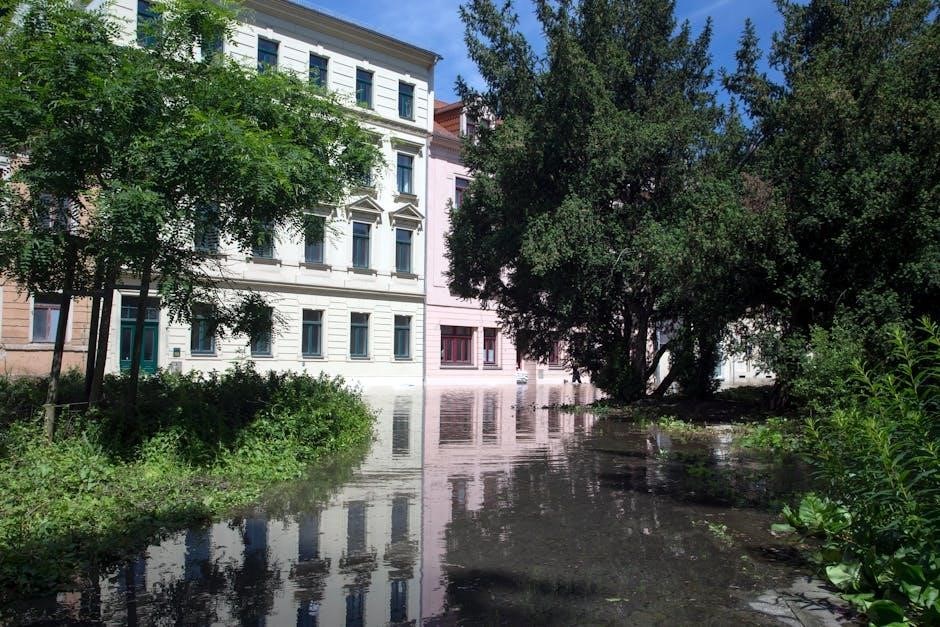
New York City faces increasing challenges from climate change, including more frequent and intense rainfall events. The NYC Stormwater Manual is evolving to address these shifts, emphasizing resilience and proactive adaptation strategies. This involves incorporating future precipitation projections into design standards, ensuring infrastructure can handle increased volumes.
Furthermore, the manual promotes designs that accommodate sea-level rise and potential flooding scenarios. Prioritizing green infrastructure solutions – like green roofs and permeable pavements – becomes crucial for absorbing excess water and mitigating urban heat island effects. The city is also exploring innovative approaches to manage stormwater, recognizing the need for flexible and forward-thinking solutions to protect its waterways and communities from the impacts of a changing climate.
Innovative Technologies and Approaches
The NYC Stormwater Manual is increasingly embracing innovative technologies to enhance stormwater management. This includes exploring advanced monitoring systems for real-time data collection and analysis, allowing for optimized BMP performance and rapid response to changing conditions. Digital tools and modeling software are also being integrated to improve design accuracy and predictive capabilities.
Beyond traditional methods, the city is investigating nature-based solutions and decentralized treatment systems. Research into porous concrete mixes with enhanced filtration capabilities and the use of constructed wetlands for pollutant removal are underway. These approaches aim to move beyond simply managing runoff volume to actively improving water quality and creating more sustainable, resilient urban environments, reflecting a commitment to cutting-edge stormwater solutions.
Community Engagement and Education
Successful stormwater management in New York City relies heavily on robust community engagement and education initiatives. The NYC Stormwater Manual recognizes the importance of informing residents, businesses, and community groups about the challenges of combined sewer overflows and the benefits of green infrastructure.
Outreach programs focus on promoting responsible stormwater practices at the household level, such as proper disposal of waste and participation in local cleanup efforts. Educational workshops and online resources are provided to empower citizens to advocate for and implement stormwater solutions within their neighborhoods. Collaboration with local organizations and schools fosters a sense of shared responsibility and encourages long-term stewardship of the city’s waterways, ensuring a more sustainable future.