USS Hopper (DDG-70): A Comprehensive Overview
USS Hopper, a distinguished Arleigh Burke-class guided missile destroyer, embodies naval prowess and technological advancement, serving as a vital asset to the U.S. Navy’s fleet.
USS Hopper (DDG-70), affectionately known as “Amazing Grace,” stands as a testament to American naval engineering and strategic capability. Commissioned in 1996, this Arleigh Burke-class guided missile destroyer has consistently demonstrated exceptional performance across diverse operational environments.
Her primary mission revolves around providing multi-mission air, surface, and subsurface combat capabilities. Equipped with advanced radar and weapon systems, Hopper excels in anti-air warfare, anti-submarine warfare, and strike operations. The ship’s robust design and dedicated crew ensure its readiness to respond to global challenges, safeguarding vital sea lanes and projecting American power worldwide.
Historical Context: Arleigh Burke-Class Destroyers
The Arleigh Burke-class destroyer program, initiated in the 1980s, revolutionized surface combatants. Named after the distinguished Admiral Arleigh Burke, these ships were designed to counter evolving Soviet threats and provide superior air defense capabilities.
Prior destroyers faced limitations in handling multiple engagements simultaneously; the Arleigh Burke class addressed this with the AN/SPY-1D radar and the Aegis Combat System. This allowed for tracking and engaging numerous targets concurrently. USS Hopper, as a member of this class, inherits this legacy of innovation and remains a cornerstone of modern naval warfare.
Design and Specifications
USS Hopper showcases a robust design, optimized for multi-mission capabilities, featuring advanced weaponry and sophisticated sensor systems integrated into a powerful, versatile platform.
Hull and Dimensions
USS Hopper (DDG-70) boasts a displacement of approximately 9,200 long tons when fully loaded, and measures 513 feet in overall length. Her beam extends to 66 feet, providing substantial stability. The destroyer’s draft reaches around 33 feet at full load, enabling deep-water operations.
Constructed with advanced steel alloys, the hull is designed for resilience and reduced acoustic signature. The ship’s superstructure is optimized for radar cross-section reduction, enhancing stealth capabilities; These dimensions contribute to Hopper’s maneuverability and operational effectiveness across diverse maritime environments.
Propulsion System: Gas Turbines
USS Hopper is powered by four General Electric LM2500-30 gas turbine engines, delivering a combined output of over 100,000 shaft horsepower. This robust system propels the destroyer to speeds exceeding 30 knots, ensuring rapid response and operational flexibility.
These turbines drive two screw propellers, providing efficient thrust. The arrangement allows for redundancy, enhancing reliability during prolonged deployments. The gas turbine system contributes to Hopper’s ability to maintain sustained high speeds and navigate challenging sea conditions effectively.
Armament: Guided Missile Capabilities
USS Hopper boasts a formidable array of guided missile weaponry, central to its multi-mission capabilities. The ship’s primary strike power comes from its Vertical Launching System (VLS), accommodating various missile types.
These include the long-range Standard Missile-2, Tomahawk cruise missiles for land attack, and the Evolved Sea Sparrow Missile (ESSM) for close-in defense. Additionally, Hopper carries close-in weapon systems and guns, providing layered defense against air, surface, and land targets, ensuring comprehensive combat readiness.
Standard Missile-2 (SM-2)
USS Hopper’s Standard Missile-2 (SM-2) is a critical long-range air defense weapon. This versatile missile effectively engages incoming aircraft, anti-ship missiles, and cruise threats. Employing radar guidance, the SM-2 offers exceptional accuracy and a substantial engagement envelope.
Different variants, like the SM-2ER (Extended Range), enhance the ship’s defensive perimeter. The SM-2’s capability to intercept targets at extended distances is paramount for fleet protection and area denial, solidifying Hopper’s role in safeguarding naval forces.
Tomahawk Cruise Missiles
USS Hopper is equipped with the Tomahawk Cruise Missile, a long-range precision strike weapon. These missiles provide the capability to strike land targets at significant distances, offering a versatile offensive option. Utilizing terrain-contour matching and GPS guidance, Tomahawks deliver accurate and devastating firepower.
Hopper’s Tomahawk capability supports a wide range of missions, from strategic land attack to maritime interdiction. This enhances the ship’s ability to project power and respond to evolving threats globally, demonstrating its crucial role in naval operations.
Evolved Sea Sparrow Missile (ESSM)
USS Hopper employs the Evolved Sea Sparrow Missile (ESSM), a medium-range, semi-active radar homing missile designed for superior anti-ship and anti-aircraft defense. ESSM provides enhanced capabilities against maneuvering threats, including sea-skimming missiles and aircraft. Its advanced guidance system and increased speed offer a robust defensive layer.
This missile significantly improves the ship’s self-defense capabilities, protecting it from a diverse array of aerial and surface attacks. Hopper’s ESSM armament is critical for fleet protection and operational success in contested maritime environments.
Radar and Sensor Systems
USS Hopper boasts sophisticated radar and sensor systems crucial for situational awareness and combat effectiveness. The AN/SPY-1D radar, a cornerstone of the Arleigh Burke class, provides long-range air search and tracking capabilities, simultaneously engaging numerous targets. Complementing this is the AN/SLQ-32 Electronic Warfare Suite.
This suite detects, analyzes, and jams enemy radar signals, offering vital protection against missile threats. These integrated systems enable Hopper to maintain a comprehensive understanding of the battlespace, ensuring optimal defensive and offensive operations.
AN/SPY-1D Radar
The USS Hopper’s AN/SPY-1D radar is a passive electronically scanned array system, renowned for its exceptional performance and reliability. It operates in multiple frequencies, enabling simultaneous tracking of air, surface, and land targets. This advanced radar provides early warning of incoming threats, supporting effective missile defense.
Its phased array technology allows for rapid scanning without physical movement, enhancing responsiveness. The SPY-1D’s capabilities are central to Hopper’s role as a formidable naval combatant, providing crucial data for weapon systems.
AN/SLQ-32 Electronic Warfare Suite
USS Hopper integrates the AN/SLQ-32 Electronic Warfare Suite, a sophisticated system designed to detect, analyze, and counter modern electronic threats. It provides crucial defensive capabilities against anti-ship missiles and other radar-guided weaponry. The suite encompasses radar intercept, jamming, and deception technologies.
This system enhances survivability by disrupting enemy targeting and communications. Its ability to adapt to evolving threats makes it a vital component of Hopper’s self-defense mechanisms, ensuring operational effectiveness in contested environments.
Operational History
USS Hopper has a distinguished service record, participating in numerous deployments and exercises globally, demonstrating its versatility and commitment to national security objectives.
Commissioning and Early Deployments
USS Hopper (DDG-70) was commissioned on March 9, 1996, marking a significant addition to the U.S. Navy’s surface combatant fleet. Following extensive sea trials and crew training, the destroyer embarked on its initial deployments, quickly demonstrating its capabilities. These early voyages focused on establishing operational readiness and fostering interoperability with allied naval forces.
The ship actively participated in various exercises, honing its skills in anti-air warfare, anti-submarine warfare, and surface combat. These deployments served as crucial learning experiences, solidifying Hopper’s role as a formidable and adaptable warship prepared for diverse global challenges.
Participation in Major Conflicts
USS Hopper has demonstrated its combat readiness through participation in significant global operations. Notably, the destroyer contributed to maintaining security and stability during Operations in the Persian Gulf, actively engaging in maritime security patrols and responding to potential threats.
Furthermore, Hopper played a crucial Role in Ballistic Missile Defense, utilizing its advanced radar and weapon systems to detect, track, and potentially intercept ballistic missile threats, safeguarding vital assets and allies. These deployments highlight the ship’s adaptability and commitment to national security.
Operations in the Persian Gulf
USS Hopper’s deployments to the Persian Gulf were critical in upholding regional maritime security. The destroyer actively participated in numerous patrols, ensuring freedom of navigation and deterring hostile actions against allied shipping.
Hopper consistently demonstrated its ability to respond swiftly to emerging threats, conducting vital escort duties and providing a robust defensive presence. These operations showcased the ship’s versatility and the dedication of its crew in a complex and challenging environment, contributing significantly to stability.
Role in Ballistic Missile Defense
USS Hopper played a crucial role in bolstering the United States’ ballistic missile defense capabilities. Equipped with the advanced AN/SPY-1D radar system, the destroyer possessed the ability to detect, track, and engage ballistic missile threats effectively.
Hopper’s participation in exercises and real-world scenarios demonstrated its proficiency in utilizing Standard Missile-2 (SM-2) interceptors to neutralize incoming projectiles, safeguarding vital assets and allies. This capability underscored its importance in a rapidly evolving global security landscape.
Recent Deployments and Exercises
USS Hopper consistently participated in significant deployments and multinational exercises, showcasing its operational readiness and strengthening international partnerships. Recent activities included patrols in the Indo-Pacific region, demonstrating commitment to regional stability and freedom of navigation.
The destroyer routinely engaged in complex war games, such as those with allied navies, honing its skills in anti-submarine warfare, air defense, and live-fire drills. These exercises ensured Hopper’s crew remained proficient and prepared for a wide range of contingencies.
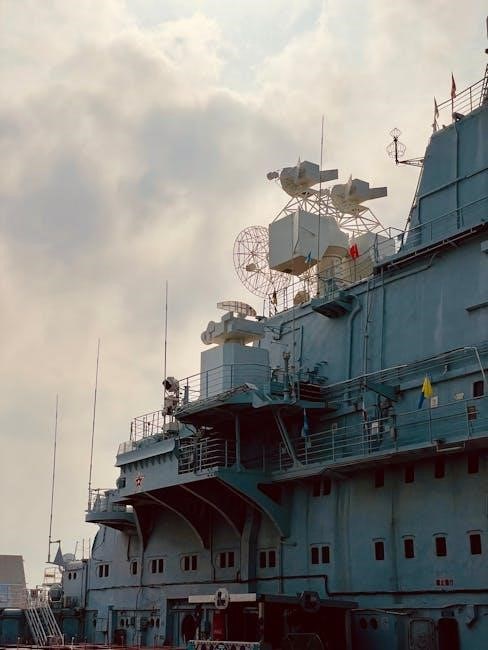
Crew and Life Aboard
USS Hopper operates with a dedicated crew of approximately 320 personnel, living and working in a demanding yet cohesive environment, fostering teamwork and naval expertise.
Crew Complement and Living Conditions
USS Hopper’s crew typically consists of around 320 highly trained sailors, encompassing diverse specialties crucial for shipboard operations and combat readiness. Living conditions, while functional, prioritize efficiency within the vessel’s constrained space. Berthing spaces are generally tiered and compact, offering limited personal privacy.
The ship provides essential amenities, including a galley offering regular meals, recreational facilities for downtime, and medical facilities to address health concerns. Maintaining morale during extended deployments is a key focus, with efforts made to provide a supportive and professional atmosphere for all crew members.
Training and Qualifications
USS Hopper’s sailors undergo rigorous and specialized training to operate and maintain the ship’s complex systems. This includes extensive coursework in areas like combat systems operation, damage control, navigation, and engineering. Prior to assignment, personnel complete basic naval training followed by specific qualifications related to their designated roles.
Continuous training is emphasized throughout a sailor’s career, encompassing certifications, drills, and exercises to maintain proficiency. Advanced qualifications are available for those seeking greater responsibility and expertise, fostering a highly skilled and adaptable crew capable of responding to diverse operational challenges.
Modernization and Upgrades
USS Hopper received a Flight IIA upgrade, enhancing its combat capabilities with improved radar, reduced radar signature, and increased missile capacity for sustained effectiveness.
Flight IIA Upgrade
The USS Hopper underwent a significant Flight IIA upgrade, a crucial modernization program for Arleigh Burke-class destroyers. This involved integrating the advanced AN/SPY-1D(V) radar system, providing enhanced detection and tracking capabilities against air and surface threats.
Furthermore, the upgrade incorporated a reduced radar cross-section (RCS) design, improving the ship’s survivability. Increased missile vertical launch system (VLS) capacity allowed for a broader range of ordnance deployment. These enhancements collectively bolstered Hopper’s overall combat effectiveness and operational flexibility, ensuring its continued relevance in modern naval warfare scenarios.
Future Modernization Plans
Looking ahead, USS Hopper is slated for continued modernization to maintain its combat edge. Potential upgrades include incorporating the AN/SPY-6(V) radar, offering substantially improved capabilities in electronic warfare and threat detection.
Further enhancements may involve advanced missile defense systems and improved cyber warfare defenses. These planned improvements aim to extend Hopper’s service life and ensure its ability to counter evolving threats. Such upgrades demonstrate the Navy’s commitment to keeping its Arleigh Burke-class destroyers at the forefront of naval technology.
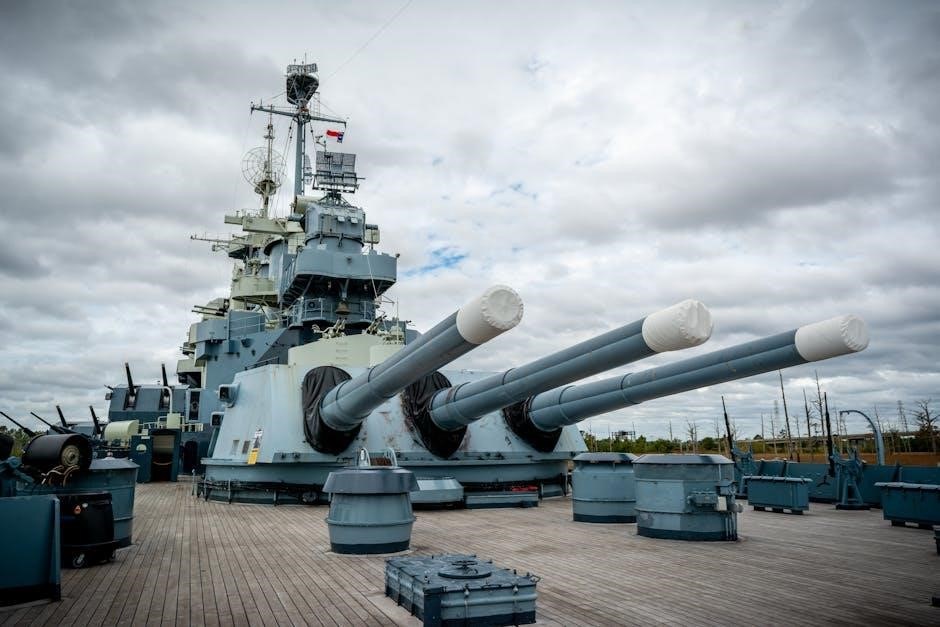
Awards and Recognition
USS Hopper has been repeatedly honored for its exceptional service, receiving the prestigious Navy Unit Commendation for outstanding heroism and dedication to duty.
Navy Unit Commendation
USS Hopper earned the Navy Unit Commendation for consistently demonstrating remarkable teamwork, courage, and professionalism during demanding operational deployments. This prestigious award recognizes the ship’s crew for their exceptional performance of duty, often under hazardous conditions, showcasing unwavering commitment to mission accomplishment. Specifically, the commendation acknowledges their vital contributions during critical periods, including sustained operations in challenging environments and successful execution of complex naval exercises.
The crew’s dedication to excellence and collaborative spirit were instrumental in achieving significant operational objectives, solidifying USS Hopper’s reputation as a highly capable and reliable warship.
Other Notable Awards
Beyond the Navy Unit Commendation, USS Hopper’s distinguished service has been recognized with numerous other accolades. These include multiple Meritorious Unit Commendations, acknowledging sustained outstanding performance in a variety of operational settings and deployments. The ship consistently receives the Battle “E” award, signifying overall battle readiness and operational excellence within the fleet.
Furthermore, individual crew members have been repeatedly honored with Navy and Marine Corps Achievement Medals, highlighting their dedication and contributions to the ship’s success. These awards reflect a culture of professionalism and commitment to naval service aboard USS Hopper.
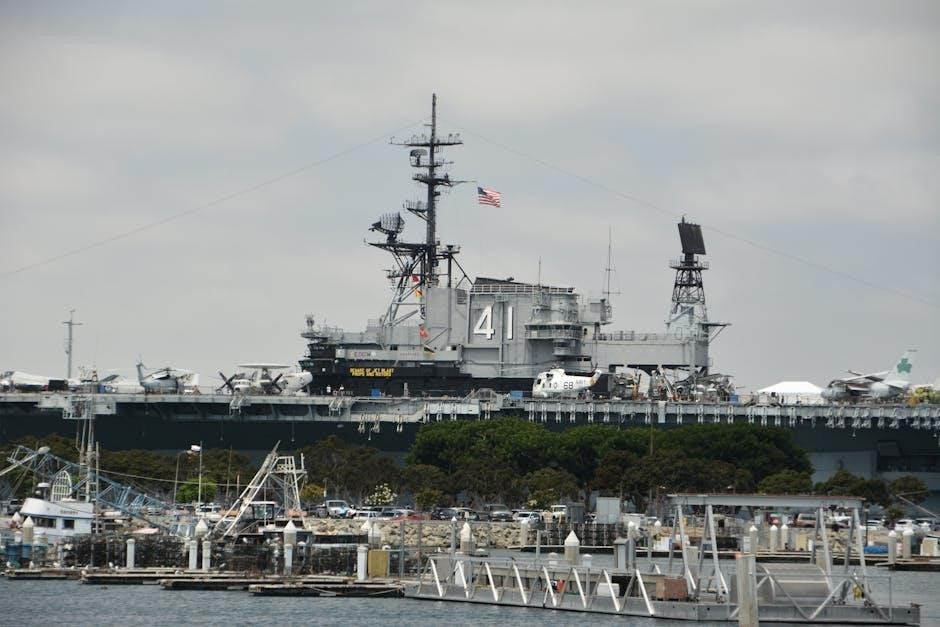
Comparison with Other Destroyers
USS Hopper, as an Arleigh Burke-class destroyer, exhibits comparable capabilities to its sister ships, yet maintains unique operational experiences and modernization configurations.
USS Hopper vs. Other Arleigh Burke-Class Ships
USS Hopper (DDG-70) shares the foundational design of the Arleigh Burke-class, but individual upgrades and deployments distinguish it. While all ships in the class possess formidable anti-air warfare (AAW) capabilities via the AN/SPY-1D radar and vertical launch system (VLS), Hopper’s specific modernization timeline differs.
Early Flight I destroyers, like Hopper, initially lacked the full suite of capabilities found in later Flight IIA variants. Subsequent upgrades, however, brought Hopper closer to parity, including improved sonar and electronic warfare systems. Operational history and maintenance schedules also contribute to variances in equipment readiness and overall performance compared to other vessels within the class.
Comparison to Foreign Destroyer Classes
USS Hopper’s capabilities position it favorably when contrasted with contemporary foreign destroyer classes. Compared to vessels like the Russian Gremyashchiy-class or the Chinese Type 055 destroyer, Hopper’s integrated combat system, particularly the AN/SPY-1D radar, provides exceptional air defense capabilities.
While some foreign designs may emphasize anti-ship weaponry, Hopper’s balanced armament—including Tomahawk cruise missiles—offers greater operational flexibility. The Arleigh Burke-class’s emphasis on robust command and control, coupled with its proven reliability, distinguishes it from many international counterparts, solidifying its role as a leading destroyer platform.
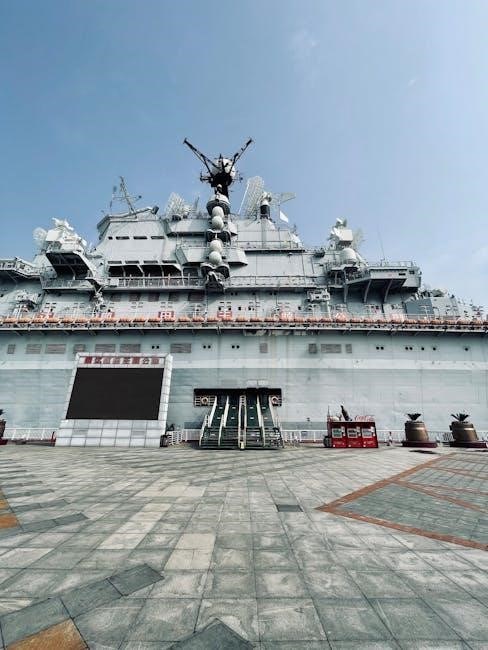
Technical Data Summary
USS Hopper displaces over 9,200 tons, reaches speeds exceeding 30 knots, and boasts a crew of approximately 270 personnel, showcasing impressive specifications.
Key Statistics at a Glance
USS Hopper (DDG-70) presents a formidable profile: Displacement reaches 9,200 long tons (full load), with an overall length of 509 feet and a beam of 65 feet. Propulsion is provided by four General Electric LM2500-30 gas turbines, achieving speeds exceeding 30 knots.
The ship’s complement includes roughly 270 officers and enlisted personnel. Its impressive arsenal features missile launchers capable of deploying various munitions, alongside advanced radar and electronic warfare systems, solidifying its role as a premier naval asset.
USS Hopper in Popular Culture
USS Hopper’s presence in media remains limited, though its significance as a modern warship occasionally surfaces in naval documentaries and simulations, showcasing its capabilities.
Appearances in Media
Despite being a formidable warship with a distinguished service record, USS Hopper (DDG-70) hasn’t achieved widespread recognition in mainstream popular culture. Its appearances are primarily confined to more specialized naval-focused content. The destroyer occasionally features in documentary films detailing modern naval warfare and the capabilities of Arleigh Burke-class vessels.
Furthermore, USS Hopper may be represented in naval strategy war games and simulations, offering a virtual glimpse into its operational role. While not a star in Hollywood blockbusters, its contributions to national security are acknowledged within the naval community and related media productions, ensuring its legacy endures.

Future of USS Hopper
USS Hopper’s expected service life continues with ongoing modernization efforts, though eventual decommissioning is inevitable as newer vessels enter the fleet, ensuring continued naval strength.
Expected Service Life
The anticipated service life of USS Hopper (DDG-70) is a subject of ongoing evaluation, influenced by modernization programs and the Navy’s evolving fleet requirements. Originally designed for a service life of 30 years, Arleigh Burke-class destroyers have consistently exceeded expectations through diligent maintenance and upgrades.
Currently, the Navy aims to extend the operational lifespan of these vessels to 40 or even 50 years, contingent upon the success of future modernization initiatives. Factors such as hull integrity, equipment reliability, and the cost-effectiveness of continued operation will ultimately determine USS Hopper’s final decommissioning date, potentially well into the 2040s.
Potential Decommissioning Timeline
Predicting USS Hopper’s (DDG-70) decommissioning timeline is complex, dependent on budgetary constraints, the introduction of new destroyer classes like the Constellation-class frigates, and the ship’s material condition. While the Navy intends to extend the service life of Arleigh Burke-class destroyers, older vessels will eventually be retired.
Considering current projections and assuming continued modernization, a potential decommissioning window for USS Hopper could fall between 2045 and 2050. However, unforeseen circumstances or shifts in naval strategy could accelerate or delay this timeline, making precise predictions challenging.
Resources and Further Information
Explore official Navy websites and the Naval History and Heritage Command for detailed information, historical records, and imagery regarding USS Hopper (DDG-70).
Official Navy Websites
For the most current and authoritative details concerning USS Hopper (DDG-70), the official U.S. Navy website (navy.mil) provides a wealth of resources. This includes news releases, fact files, and imagery showcasing the ship’s recent deployments and exercises. Additionally, the Commander, Naval Surface Force, U.S. Pacific Fleet website offers insights into the operational capabilities of Arleigh Burke-class destroyers. Accessing these platforms ensures access to verified information directly from the source, detailing the ship’s mission, crew, and technological advancements.
Naval History and Heritage Command
The Naval History and Heritage Command (NHHC) serves as the primary repository for historical information regarding USS Hopper (DDG-70) and its distinguished service record. NHHC’s website offers access to official records, historical photographs, and detailed accounts of the ship’s participation in significant naval operations. Researchers and enthusiasts can explore the vessel’s commissioning, deployments, and notable achievements, gaining a comprehensive understanding of its legacy within the broader context of U.S. naval history.
Related Posts

dishonored trophy guide
Dishonored Trophy Guide: An Overview Dishonored Definitive Edition presents a…