Choosing the Right Surfboard for Your Skill Level
Beginner surfers should choose funboards or longboards for stability and easy paddling. Intermediates may try hybrid or progressive shortboards once they can handle turns. Advanced riders opt for performance shortboards or hydrofoils‚ demanding skill and wave power. Perfect for learning and mastering waves.
Beginner Boards: Funboards‚ Longboards‚ Fish
Funboards are popular for beginners‚ offering a wide‚ stable platform that is easy to paddle and catch waves. Their length ranges from 7.5 to 8.5 feet‚ providing buoyancy for novice surfers to learn balance and timing without advanced maneuvers. The wide nose and tail design reduce wipeout risk‚ making them ideal for first‑time riders.
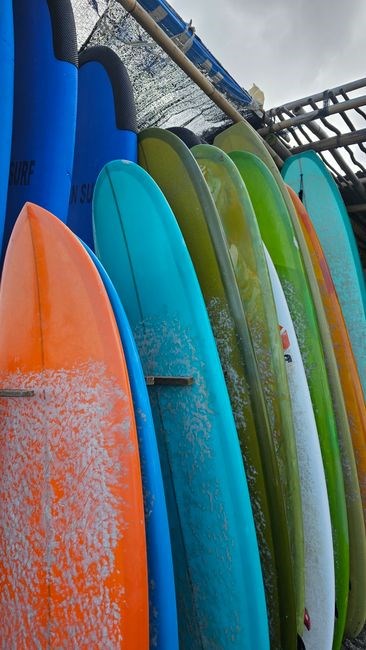
Longboards‚ usually 9 to 10 feet long‚ emphasize glide and classic style. Their larger surface area lets beginners focus on paddling technique and wave selection before tackling aggressive board shapes. Longboards are forgiving in small‚ weak surf‚ helping develop a strong foundation in wave reading and body positioning.
Fish boards combine the length of a longboard with a narrower‚ flatter shape. They are perfect for small to medium waves‚ offering a balance between speed and stability. Fish boards have a subtle rocker that helps beginners maintain control while still providing enough lift for easy paddling. Their lightweight construction makes them an excellent stepping stone toward more advanced board types.
When selecting a beginner board‚ consider local wave conditions‚ your body weight‚ and how often you plan to surf. A board that is too small or too heavy can hinder progress‚ while a board that is too large may feel cumbersome. Many surf shops in Dublin and beyond recommend starting with a funboard or fish‚ then progressing to a longboard or hybrid as confidence grows. Always test a board in the water before purchasing‚ and consult custom advice. Enjoy surf!

Intermediate Boards: Hybrid Styles and Progressive Shortboards
Surfers gravitate toward hybrid boards that blend longboard stability with shortboard maneuverability. These boards feature a medium rocker‚ a wider tail‚ and a fin setup that allows riders to maintain control while executing sharper turns. A hybrid’s length usually falls between 6.5 and 7.5 feet‚ providing enough volume for paddling while encouraging progression. However‚ the reduced length demands higher skill; beginners may find them challenging to master.
Progressive shortboards are for surfers who have mastered fundamentals and are ready to push limits. These boards are shorter—generally under 7 feet—yet retain enough volume to aid wave catching. The shape includes a subtle “V” nose and tapered tail‚ helping generate speed and responsiveness. However‚ the reduced length demands higher skill; beginners may find them challenging to master.
Choosing the right intermediate board depends on local surf conditions and goals. In smaller waves‚ a hybrid offers a smoother learning curve; in larger‚ powerful surf‚ a progressive shortboard provides agility to ride fast‚ steep faces. Surf shops in Dublin advise waiting until you have a solid paddling base and consistent wave selection before committing to a shortboard‚ as early attempts can stall progress.
When evaluating an intermediate board‚ focus on the rocker profile‚ tail shape‚ and fin setup. A balanced fin set—twinfin or thruster—can greatly affect stability and turn initiation. Also consider the board’s volume relative to your weight; a higher volume board eases paddling but may feel sluggish in fast surf. Test board in conditions and seek guidance from experienced instructors or seasoned surfers for personalized feedback.

Advanced Boards: Performance Shortboards and Hydrofoils
Performance shortboards are the pinnacle of board design‚ typically under 7 feet in length and engineered for speed‚ agility‚ and precision. They feature a steep rocker‚ a narrow nose‚ and a sharp tail that allow riders to carve tight lines on powerful waves. The reduced volume demands a high level of paddling stamina and board control‚ making them ideal for seasoned surfers who can consistently catch and maneuver in big surf. They also offer a forgiving ride‚ making them a favorite for wave timing.
Hydrofoils represent a cutting‑edge evolution in surfing technology. A hydrofoil board incorporates a submerged wing that lifts the board above the water‚ dramatically reducing drag and enabling riders to glide over waves at higher speeds. Hydrofoils are ideal for seasoned surfers seeking new challenges.
When selecting an advanced board‚ consider the fin configuration—thrusters are common for shortboards‚ while hydrofoils often use a single fin or a specialized foil fin. Volume calculations become critical; too little buoyancy can lead to frequent wipeouts‚ while too much can hinder acceleration. Many shops in Dublin recommend waiting until a surfer’s skill level has progressed beyond intermediate before purchasing a shortboard‚ as premature attempts can stall overall development.
Ultimately‚ the choice between a performance shortboard and a hydrofoil hinges on personal goals‚ wave conditions‚ and willingness to tackle advanced techniques. Both board types demand dedication‚ rigorous practice‚ and a deep understanding of wave dynamics to truly excel.

Key Dimensions and Shape Factors
Length‚ width‚ and volume dictate a board’s buoyancy and maneuverability. A longer board offers stability‚ while a narrower width enhances speed. Volume‚ calculated from length×width×height‚ balances weight and flotation. Shape factors—nose‚ tail‚ rocker—affect turning‚ lift‚ and wave handling. Choosing the right dimensions ensures optimal balance and confidence on every ride for all riders.
Length and Width Considerations
When selecting a surfboard‚ the length and width are the first variables that influence performance. A board’s length‚ measured from nose to tail‚ typically ranges from 5 ft for a shortboard to 9 ft for a longboard. Longer boards provide more buoyancy‚ making paddling easier and offering better stability in small or weak waves. However‚ they sacrifice agility and speed in larger‚ faster breaks. Width‚ measured at the widest point‚ usually falls between 18 in and 24 in. Wider boards generate more lift‚ allowing a rider to catch waves earlier and maintain a higher speed‚ which is advantageous for beginners or in heavy surf. Narrower boards reduce drag‚ improving acceleration and maneuverability‚ but require more skill to balance. The width-to-length ratio is also critical; a higher ratio (wider relative to length) yields a “boxier” shape that holds more volume‚ while a lower ratio produces a “tapered” shape that is more streamlined. In practice‚ a beginner might choose a 7 ft board with an 18 in width‚ whereas an intermediate might opt for a 6 ft board at 20 in width to balance speed and control. Advanced surfers often prefer a 5 ft board with a 19 in width‚ maximizing performance while demanding precise technique. Ultimately‚ the ideal length and width depend on body weight‚ skill level‚ wave conditions‚ and personal preference‚ and they should be matched carefully to achieve the best balance between stability‚ speed‚ and maneuverability. A wider board’s width-to-length ratio can dramatically affect how a board behaves in different wave conditions. For example‚ a 7 ft board with a width of 18 in offers a generous volume that helps a beginner catch waves with less effort‚ while a 5 ft board at 20 in width demands a higher paddling speed and precise timing. If you’re a seasoned rider‚ a narrower board—say a 5 ft board with a width of 19 in—offers a more responsive feel‚ allowing you to carve tighter turns and accelerate faster in steep sections. When evaluating width‚ consider the board’s rocker profile; a flatter rocker keeps the board in the water longer‚ which is ideal for long rides‚ while a steeper rocker reduces drag and improves entry speed. In addition‚ the board’s tail shape—square‚ rounded‚ or pointed—interacts with width to influence how the board exits the wave and how much lift it generates during a cut. When you match width to your body weight‚ a general rule is to aim for a board volume that is roughly 1.5 to 2.0 times your weight in pounds for a beginner‚ and 1.0 to 1.3 times for an intermediate or advanced rider. By carefully balancing length‚ width‚ and volume‚ you can craft a board that feels both stable and responsive‚ ensuring that each session builds confidence and skill; Remember‚ the right width not only affects performance but also your enjoyment‚ so test different boards in real conditions before committing now.
Volume and Buoyancy Calculations
Volume is the key metric that tells a surfer how much water a board displaces‚ which directly translates to buoyancy. The standard formula is: Volume (in liters) = (Length × Width × Thickness × 0.001). Most boards use a 1.5 mm to 2.5 mm foam core‚ so a 6 ft board with a 20 in width and 1.8 mm thickness holds roughly 1.2 L of water. To convert to pounds of lift‚ multiply the volume by 2.2. A rider weighing 180 lb would need a board that lifts at least 80 lb to stay afloat comfortably. The “volume per pound” rule of thumb is 1.5 L for beginners‚ 1.2 L for intermediates‚ and 1.0 L for advanced riders. When you add a fin box or a thicker deck‚ the volume increases slightly‚ so always re‑calculate after modifications. Many surf shops provide a quick “volume calculator” on their websites‚ but it’s safer to use a physical measuring tape: lay the board flat‚ measure the length‚ width‚ and average thickness‚ then plug the numbers into the formula. If you’re buying a used board‚ check the manufacturer’s spec sheet; some older models use XPS foam‚ which is denser and yields less volume for the same dimensions. Remember that buoyancy is not just about staying afloat; it also affects how a board reacts in a wave. A board with too little volume will sit low‚ making it harder to paddle and more prone to nose‑drag‚ while a board with too much volume will feel sluggish and may not cut through the water efficiently. Thus‚ the right volume balances ease of paddling‚ stability‚ and performance. In practice‚ a 6 ft shortboard with 1.8 mm core and a 20 in width typically offers 1.15 L of volume‚ giving a 180 lb rider about 70 lb of lift—just enough for a smooth ride in moderate waves. Adjusting the thickness or adding a “thick‑deck” can bump the volume to 1.3 L‚ improving buoyancy for heavier surfers or choppier conditions. Always test the board in real water before finalizing your purchase‚ as the theoretical calculations may differ from the feel on the wave.
Fin Setups: Fins‚ Twinfins‚ and Thrusters
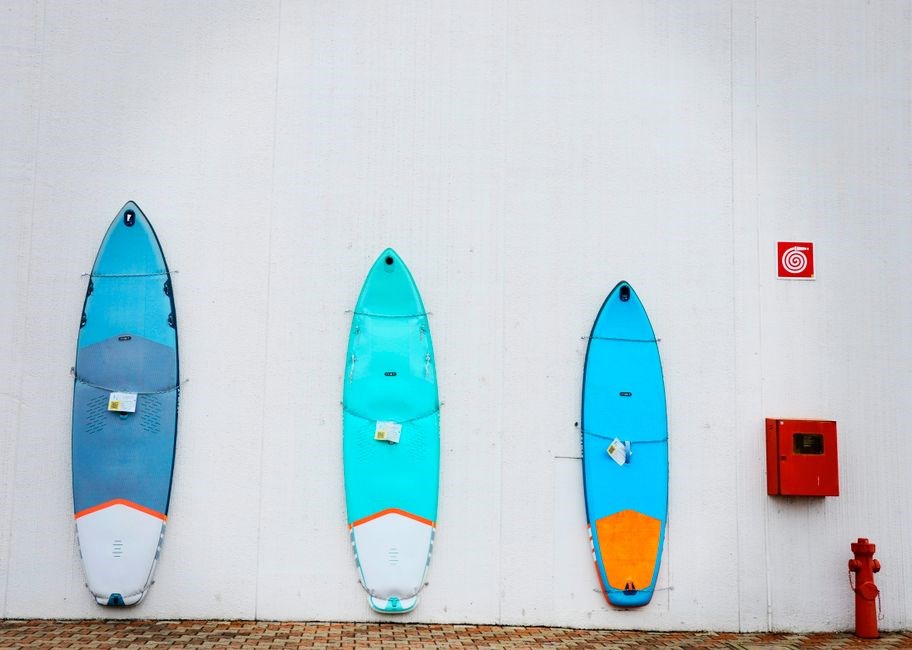
Fin configurations are the final tuning knobs that shape a board’s handling‚ speed‚ and stability. The classic three‑fin “thruster” layout—one center fin flanked by two side fins—offers a balanced mix of control and power‚ making it the default for most shortboards. A “four‑fin” or “gun” setup‚ with a larger center fin and two smaller side fins‚ increases speed and reduces drag‚ ideal for high‑speed‚ low‑wave conditions. The “twinfin” arrangement‚ typically two fins placed side‑by‑side‚ provides a lighter‚ responsive feel‚ looser‚ more playful board. Each fin type can be paired with different materials: carbon‑fiber fins deliver stiffness and quick response‚ while aluminum fins offer durability and a slightly softer feel. The fin box design also matters; a “box‑in‑box” system allows quick swapping of fin sets‚ enabling surfers to adjust to changing wave conditions without buying multiple boards. When selecting a fin setup‚ consider the board’s volume and width: a larger board may benefit from a twinfin or a “wide‑box” to maintain stability‚ whereas a smaller‚ high‑performance board often thrives with a thruster or gun. Finally‚ the fin’s shape—rectangular‚ pointed‚ or “spear‑shaped”—affects how the board cuts through the water. A spear‑shaped fin reduces drag and increases speed‚ while a rectangular fin improves control in choppy water. Experimenting with different fin setups is a key part of the learning curve‚ allowing surfers to fine‑tune their board’s personality to match their style and the waves they ride.

Material Choices and Construction Techniques Guide
Foam cores—EPS‚ XPS‚ or foams—determine weight and buoyancy. Epoxy resin offers durability and lighter weight‚ while polyester resin is effective. Vacuum bag‚ or autoclave methods affect strength and finish. Choose based on skill level and budget!
Foam Core Types: EPS‚ XPS‚ and Advanced Foams

When selecting a surfboard‚ the foam core is a critical factor that influences weight‚ buoyancy‚ and durability. Expanded polystyrene (EPS) is the most common core material; it is lightweight‚ inexpensive‚ and offers good buoyancy‚ making it ideal for beginners and recreational boards. Extruded polystyrene (XPS) is denser and more resilient‚ providing better impact resistance and a smoother ride in larger waves‚ which is why many intermediate and advanced boards use XPS cores. Advanced foams‚ such as closed‑cell polyurethane or hybrid cores that combine EPS and XPS‚ deliver a balance of lightness and strength‚ allowing for high performance while maintaining a manageable weight. The choice of core also affects the board’s response to wave conditions: lighter cores give quicker acceleration but may feel less stable‚ whereas heavier cores offer more forgiveness at the cost of speed. Additionally‚ core material influences the board’s environmental impact; EPS is recyclable‚ whereas XPS is more challenging to dispose of. When budgeting‚ consider that boards with advanced cores often carry a premium price tag‚ but they can extend the lifespan and performance of the board‚ especially in demanding surf spots. Understanding these core differences helps surfers match a board’s construction to their skill level‚ wave preference‚ and long‑term goals.
Manufacturers use vacuum‑bagging to seal foam‚ reducing moisture and improving stiffness. High‑end boards may partially fill the core with lightweight composite to cut weight. Eco‑friendly surfers may choose recycled EPS cores‚ retaining buoyancy while cutting waste.
Choosing the right core also affects maintenance. EPS cores are easier to patch‚ while XPS cores need more extensive repair. Advanced foams often include a protective outer layer that resists scratches and UV damage‚ extending life. Lighter cores ease transport for traveling surfers. The best core choice matches surfing style‚ budget‚ and sustainability goals.
Core choice balances performance durability!!
Resin and Epoxy Finishing Options
Choosing the right resin system is essential for durability‚ performance‚ and environmental impact. Traditional polyester resin‚ mixed with a hardener‚ offers a quick cure and lower cost but can release volatile organic compounds (VOCs) that affect breathability and longevity. Epoxy resin‚ on the other hand‚ provides superior adhesion‚ higher flex strength‚ and a smoother finish‚ making it the preferred choice for high‑performance boards. Epoxy also resists water absorption‚ reducing the risk of core rot in long‑term use. Within epoxy systems‚ there are two main variants: single‑component (one‑pot) and two‑component (two‑pot). One‑pot epoxy is convenient for small repairs or hobbyists‚ while two‑pot epoxy delivers a stronger bond and a thinner‚ more uniform coat‚ which is critical for boards facing aggressive wave action. Many shops use a hybrid approach‚ applying a thin epoxy base followed by a polyester topcoat to balance cost and performance. Coating thickness matters: a 0.5‑mm epoxy layer protects recreational boards‚ whereas a 1.0‑mm layer is common on competition boards for maximum durability. Additives such as UV stabilizers‚ anti‑mold agents‚ or natural oils customize the finish and extend paint life. Low‑VOC epoxy formulations reduce emissions‚ and bio‑based resins from plant oils offer eco‑friendly options. When buying a board‚ ask about resin type‚ curing time‚ and sustainability claims to ensure the finish aligns with your values and riding style. In summary‚ resin choice—polyester versus epoxy‚ single‑component versus two‑component‚ thickness‚ additives‚ and environmental impact—directly affects a board’s longevity‚ performance‚ and rider satisfaction‚ helping you maintain a clean‚ responsive board for years to come. The choice of resin also influences the board’s weight and flex. Epoxy‚ being denser‚ adds slight weight but improves stiffness‚ which is desirable for high‑speed surfing. Polyester remains lighter‚ making it suitable for long‑boarding or casual use. Some manufacturers blend the two to achieve a balanced profile. Additionally‚ the curing time differs: epoxy requires longer cure times‚ allowing for intricate detailing‚ while polyester cures quickly‚ speeding up production. For hobbyists‚ one‑pot epoxy offers convenience‚ whereas professional surfers often prefer two‑pot systems for durability. Finally‚ the finish color and texture can be tailored with pigments and additives‚ providing aesthetic options while protecting the board from UV damage. When selecting a board‚ many riders also consider the resin’s impact on the board’s environmental footprint‚ opting for low‑VOC or bio‑based options to reduce ecological harm. These choices not only affect performance but also align with a surfer’s commitment to sustainable practices. Choosing wisely ensures a longer‚ cleaner‚ and more responsible ride.

Price Ranges and Budget Strategies
New boards range $300–$800‚ while high‑end models exceed $1‚200. Used boards can drop 30–50% off retail‚ especially if lightly worn. Shop seasonal sales‚ local surf shops‚ or online marketplaces. Consider financing or trade‑in programs to stretch your budget without compromising quality. Great for all. use !
New vs. Used Boards and Where to Buy
New surfboards typically cost between $300 and $800‚ with premium models exceeding $1‚200. Used boards can offer a 30–50% discount‚ especially if they’re only lightly worn. Seasonal sales‚ local surf shops‚ and online marketplaces such as eBay or specialized surf forums provide great deals. Trade‑in programs at reputable shops can further reduce costs. For beginners‚ buying a used board from a trusted local shop ensures you get a board in good condition without paying full price. Advanced surfers may prefer new boards for the latest technology‚ but used performance shortboards can still deliver excellent results if inspected carefully. When purchasing‚ always check the board’s shape‚ volume‚ and construction to match your skill level and wave conditions. Compare prices across multiple retailers‚ read reviews‚ and ask for recommendations from experienced surfers. This strategy balances quality and affordability‚ helping you find the best board within your budget.
When inspecting a used board‚ look for cracks in the deck‚ worn fins‚ and any signs of delamination. Test the board’s flex by gently bending it; a board that flexes too much may be structurally weak. If possible‚ try a on the board to gauge its responsiveness. Many shops offer a short-term rental or demo program‚ allowing you to test before buying. This approach reduces risk and ensures you invest in a board that suits your style and local wave conditions. Enjoy the ride. Stay!
Related Posts

guide me o thou great jehovah lyrics methodist hymnal
Article Plan: Guide Me, O Thou Great Jehovah ⎼ Methodist…